
The Advantages of Organization: The Benefits of Organized Living Spaces

I don’t know about you, but I’ve often found myself overwhelmed by clutter. It’s like the mess creeps up on you, and suddenly, your living space feels more like a stress zone than a sanctuary. Over time, I’ve learned that organizing my living space isn’t just about tidiness—it’s about reclaiming my time, my peace, and even my productivity. Let’s dive into why organized living spaces truly make a difference and how you can start experiencing these benefits today.
Why Organized Living Spaces Matter: The Advantages of Organization
When you walk into a room that’s neat and orderly, doesn’t it just feel... better? There’s a calmness that comes with knowing where everything is. For me, the biggest advantage of organization is the mental clarity it brings. Clutter can be distracting and exhausting. It’s like your brain is constantly trying to process a million things at once.
Here’s what I’ve noticed about organized spaces:
Reduced stress: When everything has a place, you don’t waste time searching for things.
Improved focus: A clean environment helps you concentrate better on tasks.
More time: Less time spent cleaning or looking for lost items means more time for what matters.
Better sleep: A tidy bedroom can promote relaxation and better rest.
Imagine starting your day without the frantic search for your keys or that important document. That’s the power of organization.
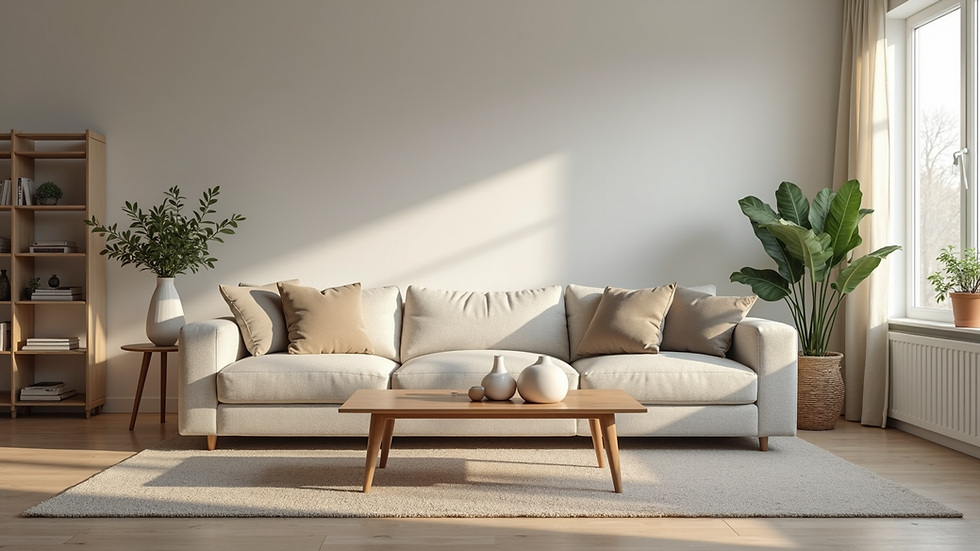
How Organized Spaces Boost Productivity and Peace of Mind
Let’s be honest—when your space is cluttered, your mind often feels cluttered too. I’ve found that organizing my living space directly impacts how productive I am. When my desk is clear, I can focus on work without distractions. When my kitchen is tidy, cooking feels less like a chore and more like a creative outlet.
Here are some practical ways organized spaces boost productivity:
Clear surfaces: Keep desks and countertops free of unnecessary items.
Designated zones: Create specific areas for work, relaxation, and hobbies.
Efficient storage: Use shelves, bins, and organizers to keep things accessible but out of sight.
Daily habits: Spend 5-10 minutes each day tidying up to maintain order.
By setting up your space intentionally, you’re setting yourself up for success. It’s not just about aesthetics—it’s about creating an environment that supports your goals.
Creating Intentional, Clutter-Free Spaces
If you’re feeling overwhelmed, start small. I recommend tackling one area at a time. Maybe it’s your closet, your kitchen drawer, or your home office. The key is to be intentional about what you keep and where you put it.
Here’s a simple approach I use:
Sort: Separate items into categories - keep, donate, recycle, or toss.
Assign: Give every item a home that makes sense.
Simplify: Ask yourself if you really need each item. If not, let it go.
Maintain: Schedule regular check-ins to keep clutter from creeping back.
Remember, the goal is not perfection but progress. Even small changes can lead to big improvements in how you feel and function daily.

The Ripple Effect: How Organized Spaces Improve Overall Well-being
You might be surprised how much your environment affects your mood and health. When I started organizing my living space, I noticed I felt less anxious and more in control. It’s like the physical order translated into emotional order.
Some benefits I’ve experienced include:
Better mental health: Less clutter means less overwhelm and anxiety.
Healthier habits: A clean kitchen encourages cooking at home and eating well.
More social time: When your space is inviting, you’re more likely to host friends and family.
Financial savings: Knowing what you have prevents unnecessary purchases.
It’s amazing how something as simple as organizing can create a positive ripple effect in your life.
Taking the First Step Toward an Organized Life
If you’re ready to transform your living space, start with a plan. Set realistic goals and celebrate small wins. Remember, the intent aims to become the go-to partner for individuals and entrepreneurs seeking to transform their lives by creating intentional, clutter-free spaces and efficient systems, helping them reclaim time and achieve lasting peace and productivity.
Here are some tips to get started:
Use timers: Set a 15-minute timer to declutter a small area.
Get help: Sometimes a friend or professional organizer can provide motivation and fresh ideas.
Invest in tools: Storage bins, labels, and organizers can make a big difference.
Stay consistent: Make organizing a regular habit, not a one-time event.
By taking these steps, you’re not just tidying up—you’re creating a foundation for a more peaceful, productive life.
Organizing your living space is more than just cleaning up. It’s about creating a home that supports your well-being and ambitions. So why wait? Start small, stay consistent, and watch how your life transforms one organized space at a time.


Comments